Begin with the building
Before choosing a new material, review roof slope, existing assembly, building design, applicable approvals and any structural questions a material change raises. Community architectural standards may also limit profiles or colors.
A roof that is suitable for one building should not be assumed suitable for another. Ask what information is needed to confirm the proposed system for your property.
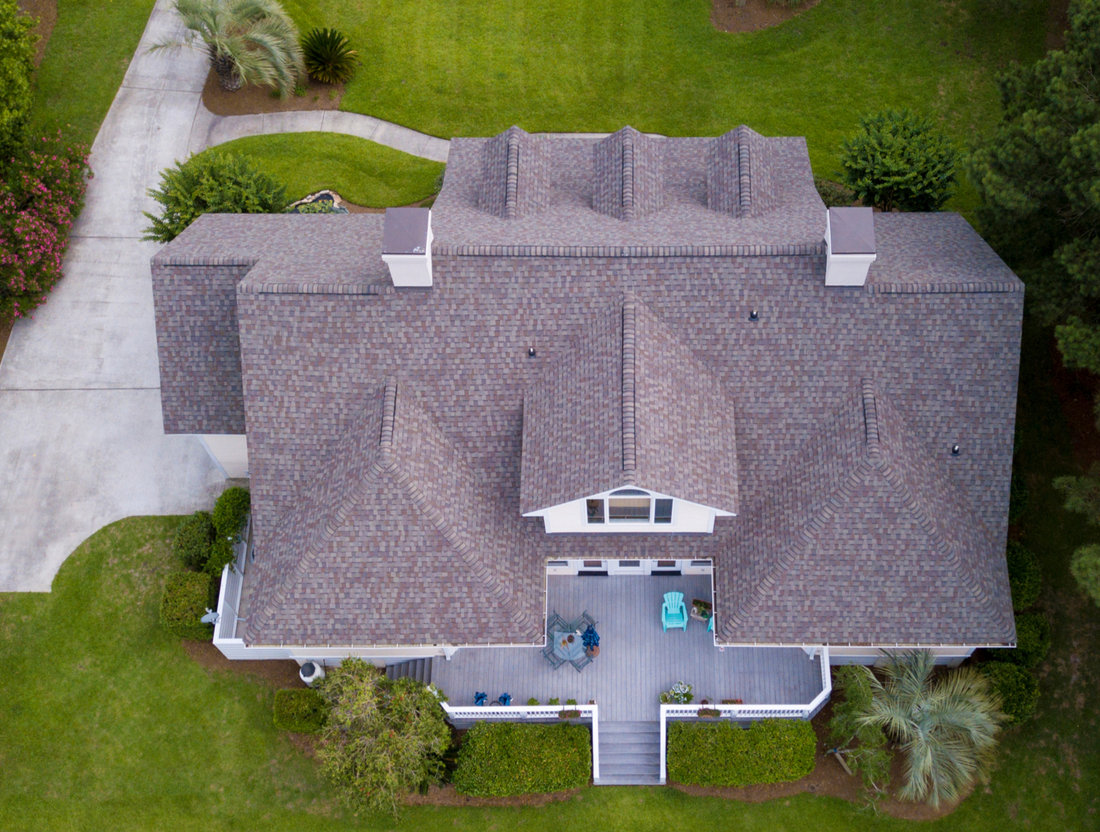
Shingle roofing: compare the coordinated system
For a shingle roof, review the field shingles alongside starter and ridge components, underlayment, flashing, attachment and ventilation where applicable. Different proposals may specify different systems even when the shingles look similar.
For repairs, the condition of adjacent shingles and compatible material availability matter. For replacement, compare the entire removal and installation scope. Explore shingle roofing.
Tile roofing: look beneath the visible profile
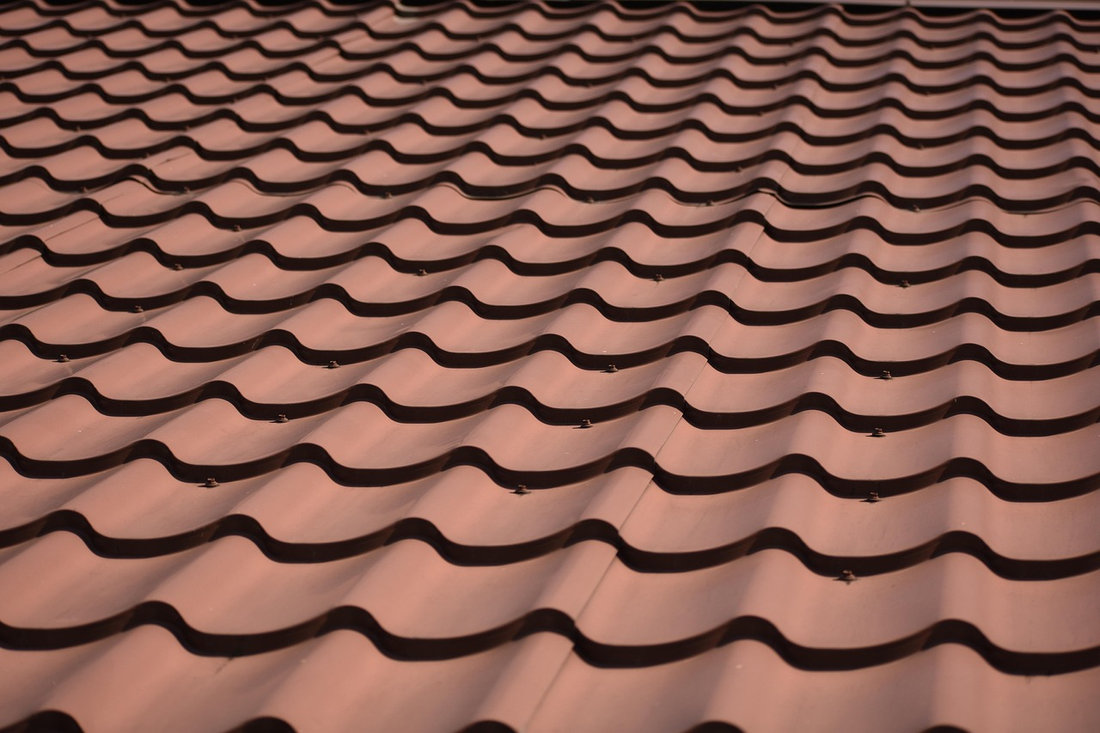
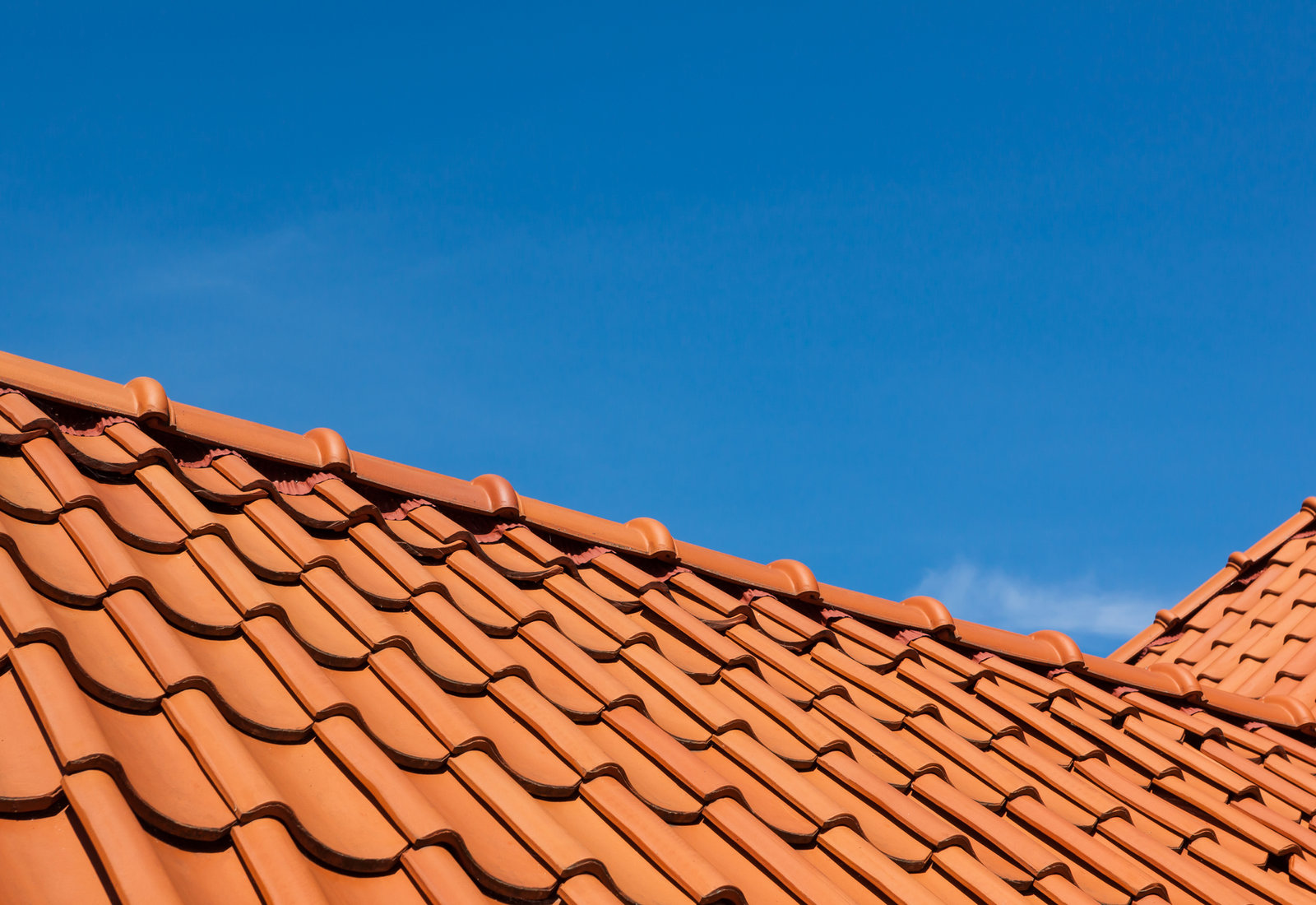
Tile can strongly influence the appearance of a property. The roof also depends on the underlayment, flashing, attachment and transitions beneath and around the visible tiles.
When investigating a leak, an intact-looking tile surface does not establish that all concealed components are sound. For repairs, profile availability and the condition of surrounding material can affect the work and matching expectations. Explore tile roofing.
Metal roofing: identify the actual panel assembly
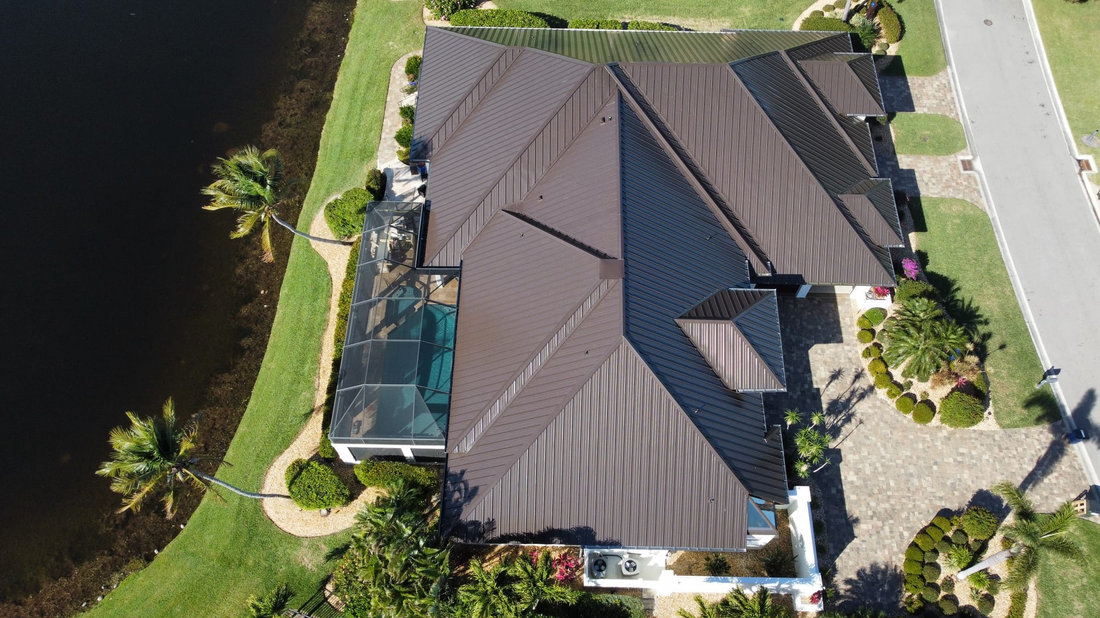
Metal roofs differ by panel profile, attachment, material and finish. Those choices affect the details, appearance and product terms. Ask what specific system is proposed and why it suits the building.
For properties with coastal exposure, review the applicable manufacturer restrictions and warranty exclusions for the actual location. A general durability statement does not replace those documents. Explore metal roofing.
Use the same questions for all three
| Question | Why it matters |
|---|---|
| Is the system suitable for this building? | Appearance alone cannot determine roof compatibility. |
| What does the complete scope include? | Surface material is only part of the installation. |
| What approvals are needed? | Property and community requirements can affect selection. |
| How can it be maintained and repaired? | Future access, compatible parts and care requirements matter. |
| What do the written warranties cover? | Coverage depends on actual terms and eligibility. |
| How will the work affect the property? | Staging, access and occupants need planning. |
Avoid the universal lifespan promise
A product warranty, an expected service life and an insurer's requirements describe different things. None should be used as a guaranteed replacement date for every roof. Condition, installation, exposure and maintenance influence the actual property decision.
Be cautious with claims that a material is maintenance-free, hurricane-proof or certain to reduce insurance or energy bills. Ask for the relevant product and project documentation rather than relying on a broad slogan.
What about flat and low-slope sections?
Some buildings include low-slope areas that need a different appropriate assembly. Do not assume the same material should cover every section. Flat and low-slope roofing explains the questions around membrane condition, drainage and detail work.
Make the decision with a defined proposal
Once suitable options are identified, compare the scope, appearance, terms and practical project requirements. If the prices differ, ask which elements drive the difference. A useful recommendation explains what you receive and how the system fits the building.
Palm Roofing & Construction serves residential and commercial properties across our seven Southwest Florida cities. Discuss your roofing options or call 239-506-4122.